

We sat down with our nutritionist Angela Gioffre and discussed Synthetic Vitamin C...this is what she had to say
Can you explain how most commercial vitamin C tablets and powders are made, and why that may surprise people?
I think what surprises most people is that commercial vitamin C is generally not extracted from oranges, berries or other vitamin C-rich fruits.
Most synthetic vitamin C begins with glucose, often derived from corn or another starch crop. It is then manufactured through a series of fermentation and chemical-processing steps before being purified and crystallised into ascorbic acid.
When consumers see oranges and berries on the packaging, they may naturally assume the vitamin C inside has been extracted directly from those fruits. In reality, the product is usually an isolated, industrially manufactured nutrient. Tablets and gummies may also contain sweeteners, flavours, colours, acids, fillers and binding agents.
The final ascorbic acid molecule is biologically active, but it is very different nutritionally from eating a whole vitamin C-rich food.
Why do you say wholefoods are a better source of vitamins than synthetic supplements?
Wholefoods provide nutrients in the balanced amounts and complex combinations in which they naturally occur. When we eat fruit, vegetables, nuts, seeds and other wholefoods, vitamins arrive alongside fibre, minerals and a huge range of naturally occurring plant compounds. These components interact within the food matrix and work together in ways that an isolated nutrient cannot fully replicate.
A supplement, by contrast, can deliver a single nutrient at many times the amount we would normally obtain from food, without the natural balance surrounding it. The assumption is often that if a little of a vitamin is good, more must be better. Nutrients simply do not work that way.
The vitamin B6 controversy is a powerful example. Vitamin B6 consumed through food has not been associated with peripheral neuropathy, yet concentrated B6 in supplements can cause nerve damage, resulting in tingling, burning or numbness in the hands and feet.
Some people unknowingly accumulated large amounts by taking several products, such as a multivitamin, B-complex and magnesium supplement, at the same time. It is a reminder that “water-soluble” does not automatically mean harmless and that isolated nutrients can have very different effects at supplemental doses.
We see a similar contrast in cardiovascular research. Researchers once assumed that because people who ate antioxidant-rich foods tended to have less heart disease, extracting those antioxidants and putting them into tablets would provide the same protection. Randomised trials found that this was generally not the case.
Vitamin E from nuts, seeds and plant oils forms part of a heart-healthy dietary pattern. However, moderately high-dose vitamin E supplements have not prevented heart attacks, strokes or cardiovascular deaths. In the HOPE-TOO trial, supplemental vitamin E provided no cardiovascular protection and was associated with a 13 per cent greater risk of heart failure and a 21 per cent greater risk of hospitalisation for heart failure. Other trials have associated high-dose vitamin E with an increased risk of haemorrhagic stroke because it can interfere with blood clotting.
Beta-carotene is another important example. Foods such as carrots, pumpkin, leafy greens and capsicum provide beta-carotene as part of a much broader nutritional package. However, isolated high-dose beta-carotene did not reproduce the benefits associated with eating those foods. In a major trial involving male smokers, beta-carotene supplementation increased overall mortality, driven mainly by lung cancer and ischaemic heart disease.
This is why we cannot assume that removing one compound from a protective food, concentrating it and putting it into a tablet will deliver the same outcome. Wholefoods provide nourishment in context. When supplementation is needed, I recommend high-quality wholefood-based supplements where appropriate, as they can provide nutrients alongside some of the naturally occurring compounds found in the original food.
What does whole fruit provide that a vitamin C tablet or gummy does not?
Whole fruit provides water and fibre, along with varying amounts of potassium, folate, carotenoids, polyphenols and many other naturally occurring plant compounds. These components are eaten together within the food’s natural structure and can have complementary effects.
Fibre supports bowel function, feeds beneficial gut microbes and helps regulate the absorption of sugars. The water, volume and chewing involved in eating fruit also contribute to fullness. A vitamin C tablet provides none of those benefits.
Gummies may also contain added sugars and acids and can be very similar to lollies. They are easy for children to overconsume and should always be stored safely.
A tablet can deliver vitamin C, but it cannot reproduce the nutritional complexity of eating a kiwifruit, orange, berries or another whole fruit.
What does the evidence say about vitamin C supplements when it comes to preventing or managing the common cold?
Vitamin C is essential for normal immune function, but that does not mean high-dose supplements will prevent the average person from catching a cold.
The major Cochrane review found that regularly taking vitamin C did not meaningfully reduce the number of colds in the general population. It was associated with a modest reduction in cold duration, approximately 8 per cent in adults and 14 per cent in children, along with some reduction in symptom severity.
Starting vitamin C only after cold symptoms develop has not shown a consistent benefit. It is therefore more accurate to say that regular vitamin C supplementation may make a cold slightly shorter or milder for some people, rather than describing it as a reliable cold preventative or cure.
What are your main tips for families trying to stay well during cold and flu season, especially when children are fussy eaters?
My main tips are:
Prioritise adequate sleep, regular meals, movement, hydration and time outdoors.
Encourage thorough handwashing, covering coughs and sneezes, and staying home when unwell.
Offer a variety of foods across the week. Frozen fruit and vegetables are affordable, convenient and nutritious, so everything does not need to be fresh.
Keep mealtimes calm and avoid pressure, bribery or bargaining with fussy eaters.
Include at least one familiar “safe” food with the meal and serve new foods in small, non-threatening portions. Children often need many exposures before accepting something new.
Let children become familiar with food without requiring them to eat it. Shopping, washing produce, stirring, blending and choosing between two nutritious options can all help.
Work with the vitamin C-rich foods the child already accepts. These might include kiwifruit, mandarins, strawberries, capsicum, tomatoes, broccoli or potatoes. It does not always have to be an orange.
Look at what a child eats across an entire week rather than becoming worried about one difficult meal or day.
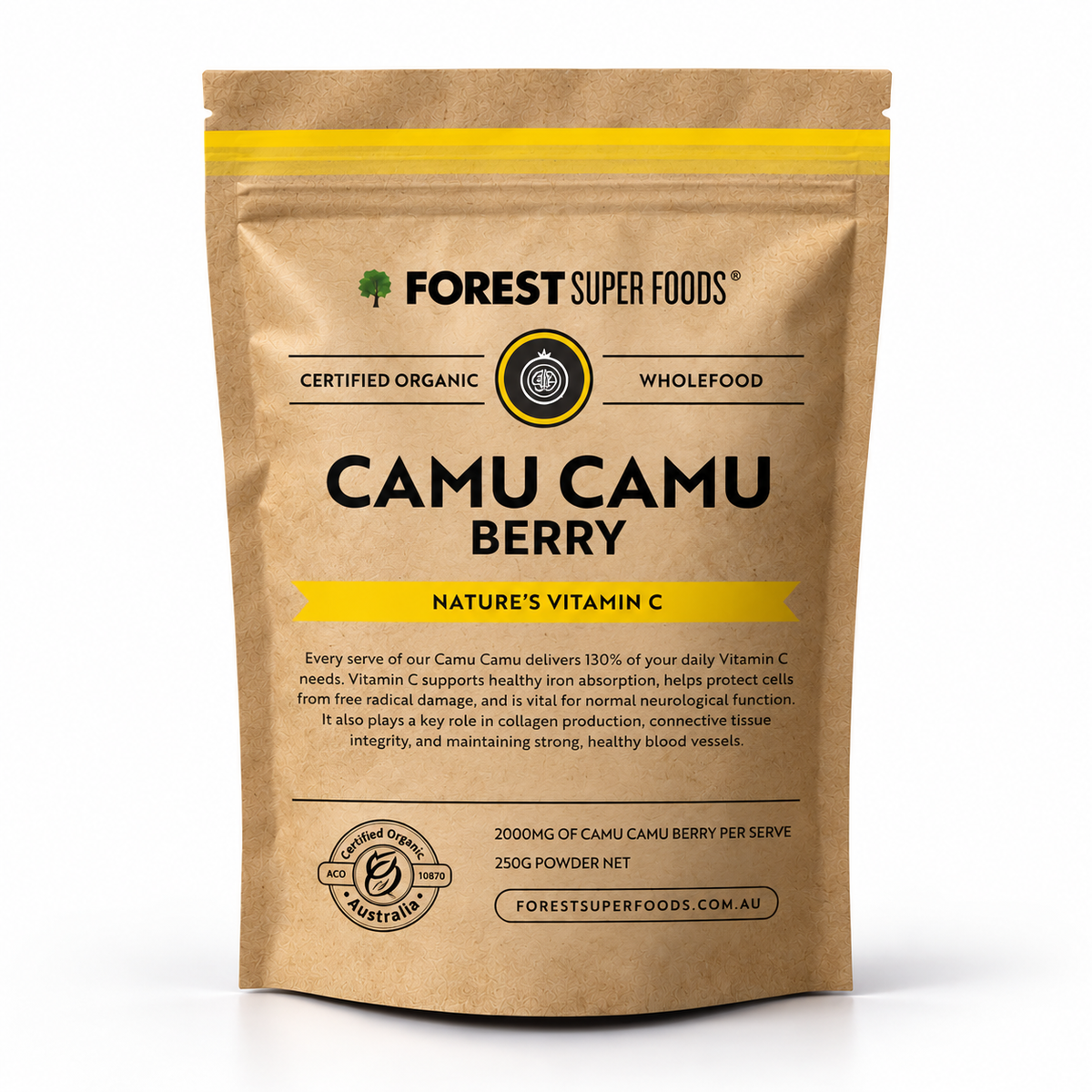
Certified Organic Camu Camu Berry PowderA powerful supplement for your health and wellness. Order Now |

|

Leave a comment
All comments are moderated before being published.
This site is protected by hCaptcha and the hCaptcha Privacy Policy and Terms of Service apply.