

Real Health · Part 2
Your ancestors preserved food out of necessity — to survive winter, to travel, to feed their families. They used the sun, salt, smoke and fermentation. They kept as much of the food intact as they could, because the food was the point.
The supplement industry processes ingredients for a different reason entirely. Not to preserve nutrition — to maximise shelf life, reduce manufacturing costs and protect margins. Heat drying ticks all three boxes. The fact that it destroys up to 80% of a food's nutrient content is, for most brands, an acceptable trade-off.
It shouldn't be.
Most people never think to ask how their supplement was made. They check the label for the ingredient, assume it's in there, and move on. But the ingredient is only half the story. What happens to it between the farm and the capsule determines whether any of it actually reaches your cells.
What heat does to nutrients
The supplement industry standard is heat drying or spray drying — cheap, fast, and almost universally used. Ingredients are exposed to high temperatures to remove moisture quickly. It works well for shelf life and manufacturing margins. It works very poorly for nutrition.
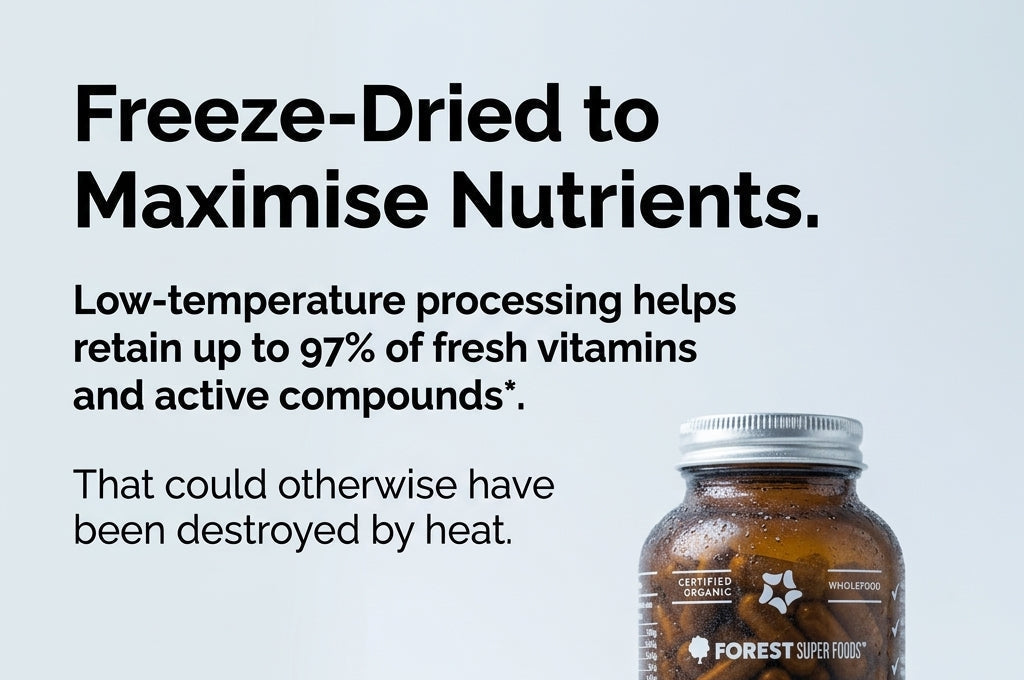
Heat degrades enzymes, destroys heat-sensitive vitamins like Vitamin C and the B-complex vitamins, and breaks down the delicate phytonutrients that give whole foods their therapeutic value. Studies show that conventional heat processing can destroy anywhere from 40% to 80% of a food's original nutrient content. In some cases more. You're paying for the label, not what's actually inside.
What freeze drying actually does
Freeze drying works completely differently. The ingredient is frozen first, then placed in a vacuum where the ice converts directly to vapour — no heat involved. The cellular structure stays intact. The enzymes, vitamins, phytonutrients and cofactors that make the whole food work remain exactly where they were in the fresh plant.
The science is clear: freeze drying preserves up to 97% of a food's fresh nutrient content. That's not a marketing claim — it's the reason freeze drying is used to preserve foods for long-term storage where nutrient retention actually matters, from emergency medical supplies to space missions.
Why most brands don't do it
Cost. Freeze drying is significantly more expensive and slower than heat drying. For a brand optimising for margin, it's an easy cut to make — especially when most customers never think to ask how the product was processed.
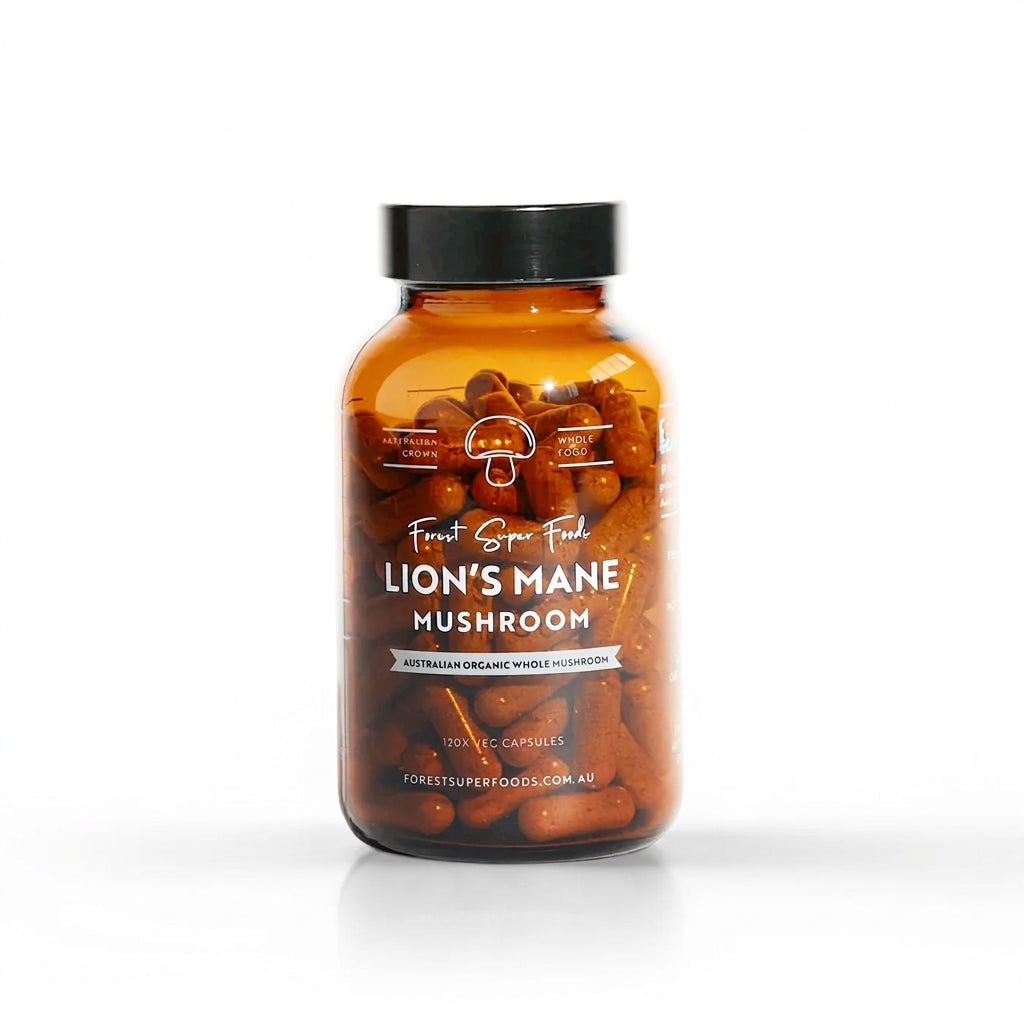
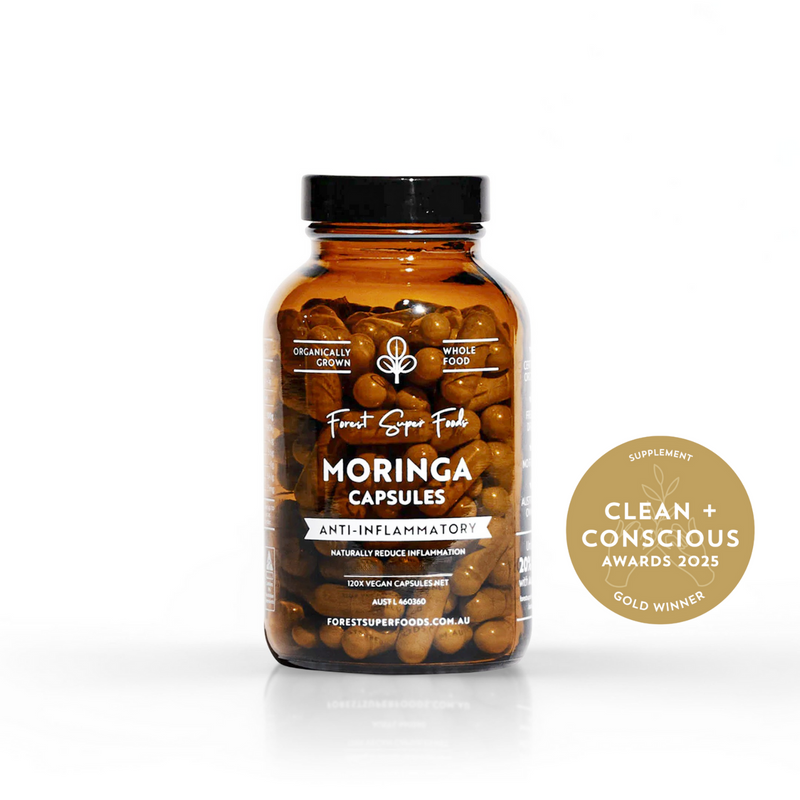
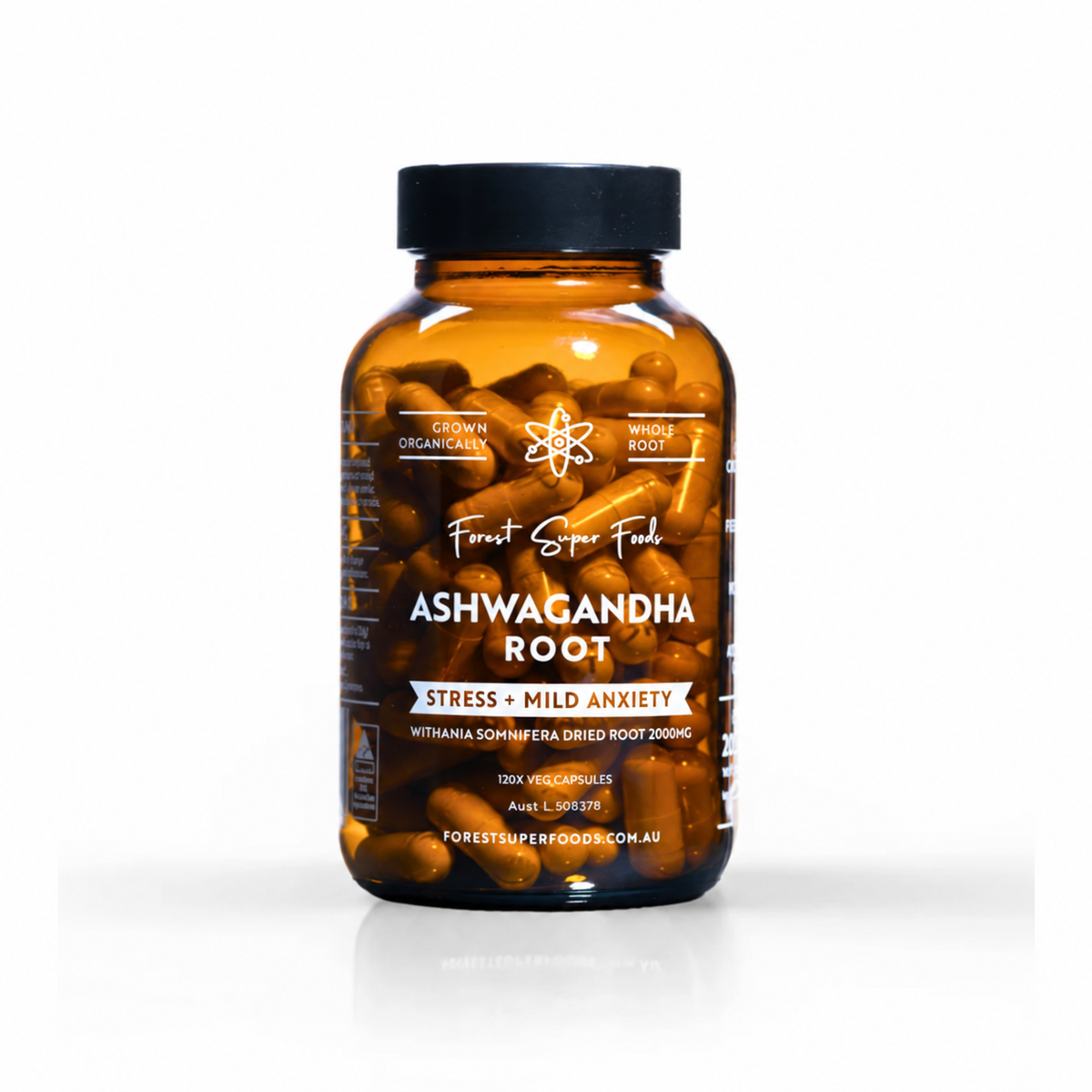
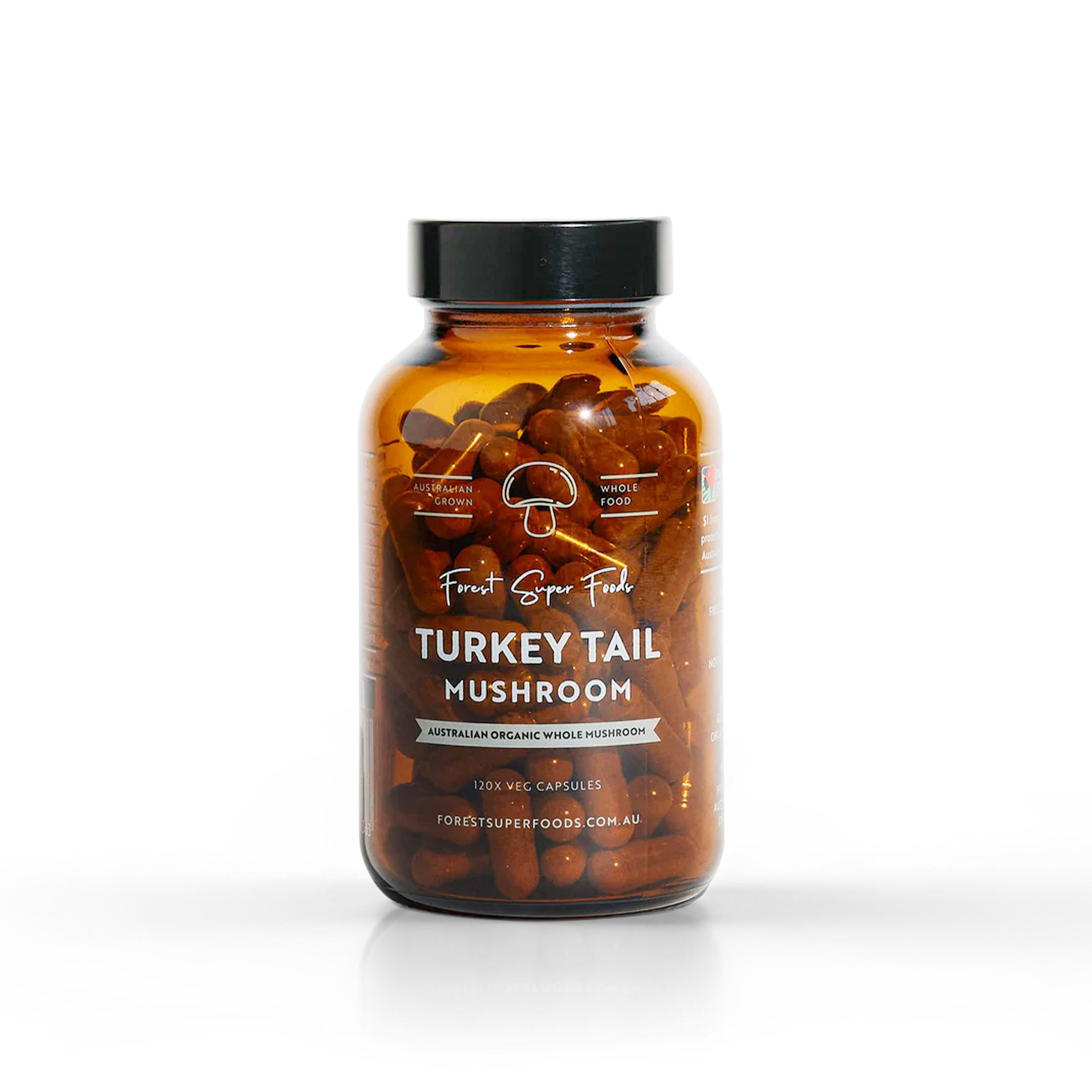
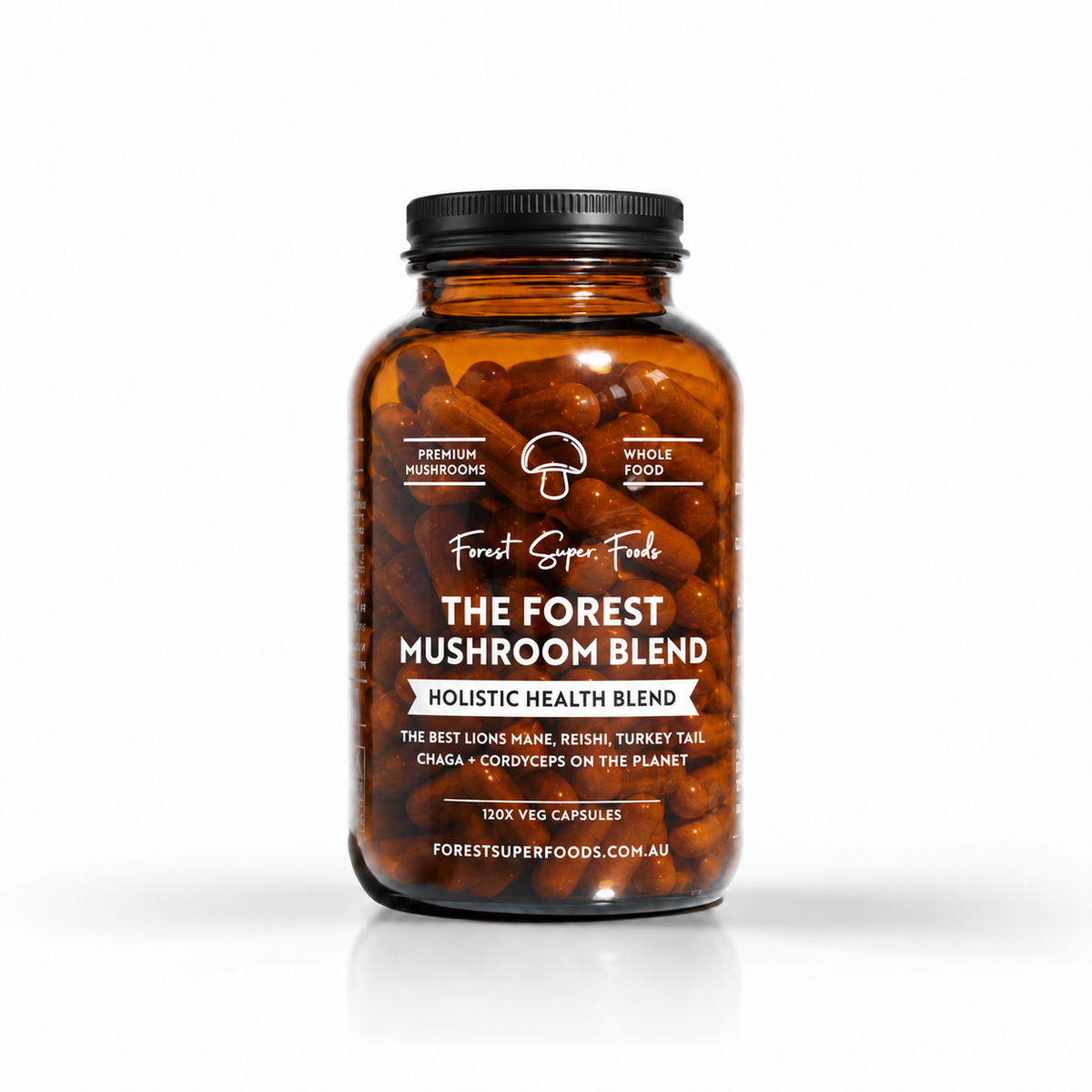
It's why we consider freeze drying non-negotiable at Forest Super Foods. If we're going to the effort of sourcing certified organic whole food ingredients, heat-processing them would defeat the entire purpose. We're not optimising for shelf life. We're optimising for what actually arrives in your body.
"Processing method is one of the most overlooked factors in supplement quality. I've seen patients taking high-quality ingredients that had been so heavily processed the therapeutic value was essentially gone. It's not just what's in the capsule — it's what survived getting there."
— Ange Gioffre, Clinical Nutritionist
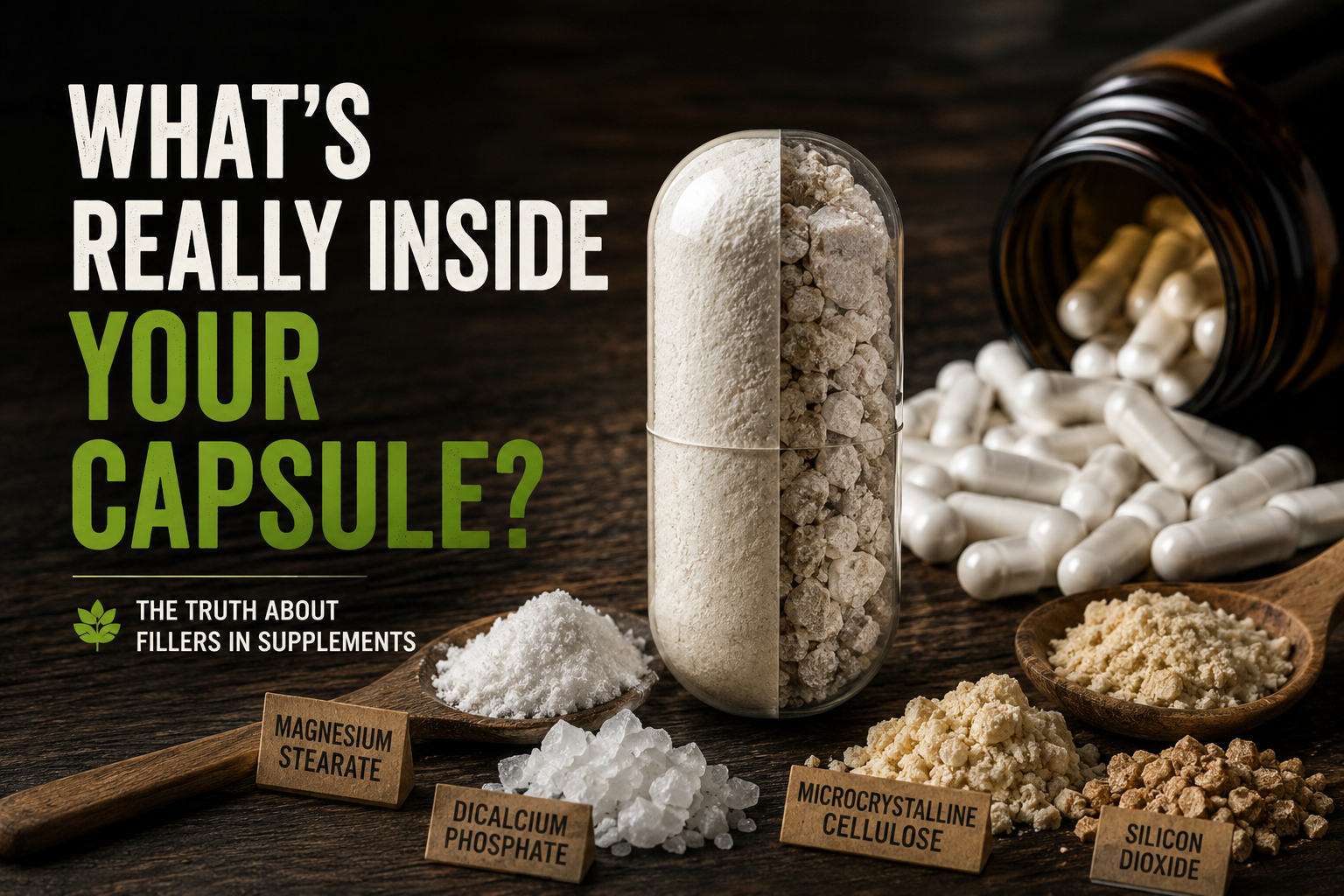
Next in the Real Health series: the fillers, binders and bulking agents hiding inside most supplement capsules — and why some of them actively interfere with absorption.

Leave a comment
All comments are moderated before being published.
This site is protected by hCaptcha and the hCaptcha Privacy Policy and Terms of Service apply.