



Cortisol is often described as the stress hormone, but it is not a hormone we should try to eliminate. In healthy amounts and at the right times, cortisol helps us wake in the morning, mobilise energy, regulate blood pressure, control inflammation and respond to a challenge. The goal is not the lowest possible cortisol level. It is a healthy rhythm and an appropriate response to stress.
When stress becomes relentless, sleep is disrupted or the body is under-fuelled, the hypothalamic-pituitary-adrenal axis, known as the HPA axis, can lose some of its flexibility. A functional nutrition approach asks what is repeatedly activating the stress response, then works on the foundations that help the body regain resilience: food quality, adequate energy, circadian rhythm, sleep, movement, recovery and stress-management practices.
If you are searching for how to lower cortisol naturally, begin with these foundations. No single food or supplement can compensate for chronic sleep loss, severe energy restriction or an overloaded lifestyle.
What Is Cortisol and What Does a Healthy Pattern Look Like?
Cortisol is a glucocorticoid hormone made by the adrenal glands under the direction of the HPA axis. Its release follows a daily rhythm. Levels are generally highest in the morning, helping us become alert and active, then gradually fall across the day and reach their lowest point at night.
Cortisol also rises temporarily in response to exercise, illness, low blood glucose and psychological stress. This short-term rise is a normal adaptive response, not automatically a health problem. [1]
This is why a single symptom, or even one cortisol result taken without regard to timing, does not prove that cortisol is high. Tiredness, poor sleep, food cravings, changes in weight and feeling wired can have many causes. The aim of nutrition and lifestyle support is to improve regulation, not to self-diagnose a cortisol disorder.
The functional nutrition goal: Support a strong morning signal, a gradual daytime decline, a quiet evening and an appropriate response to short-term stress.
How to Lower Cortisol Naturally With Nutrition
1. Eat Enough and Avoid Chronic Under-Fuelling
Food restriction is itself a physiological stressor. Short periods of fasting or aggressive calorie restriction can raise cortisol in some settings. The response varies according to the individual, the duration of restriction, sleep, training load and metabolic health. [2]
If someone is already exhausted, training hard, sleeping poorly or experiencing strong afternoon cravings, pushing the fasting window longer may add to the total stress load. A more appropriate starting point may be regular, satisfying meals and enough total energy to meet daily demands.
Intermittent fasting can suit some people, but it is not a universal cortisol-lowering strategy.
2. Build Balanced Meals for Steadier Energy
Cortisol helps maintain blood glucose between meals. It is therefore useful to reduce avoidable swings in energy rather than relying on refined carbohydrates, caffeine and willpower to get through the day.
At most meals, combine:
-
Protein, such as eggs, fish, yoghurt, tofu, tempeh, lentils, beans or poultry
-
Fibre-rich carbohydrates, such as oats, barley, quinoa, brown rice, legumes, sweet potato or fruit
-
Healthy fats, such as extra virgin olive oil, avocado, nuts, seeds or oily fish
-
A generous variety of vegetables and herbs
This combination supports satiety and a more sustained release of energy. It also supplies the amino acids, minerals, vitamins and essential fats used throughout the nervous and endocrine systems.
You do not need to remove all carbohydrates to support cortisol. Wholefood carbohydrates can be particularly useful for active people and may help prevent a cycle of restriction, cravings and overeating.
3. Follow a Mediterranean-Style Wholefood Diet
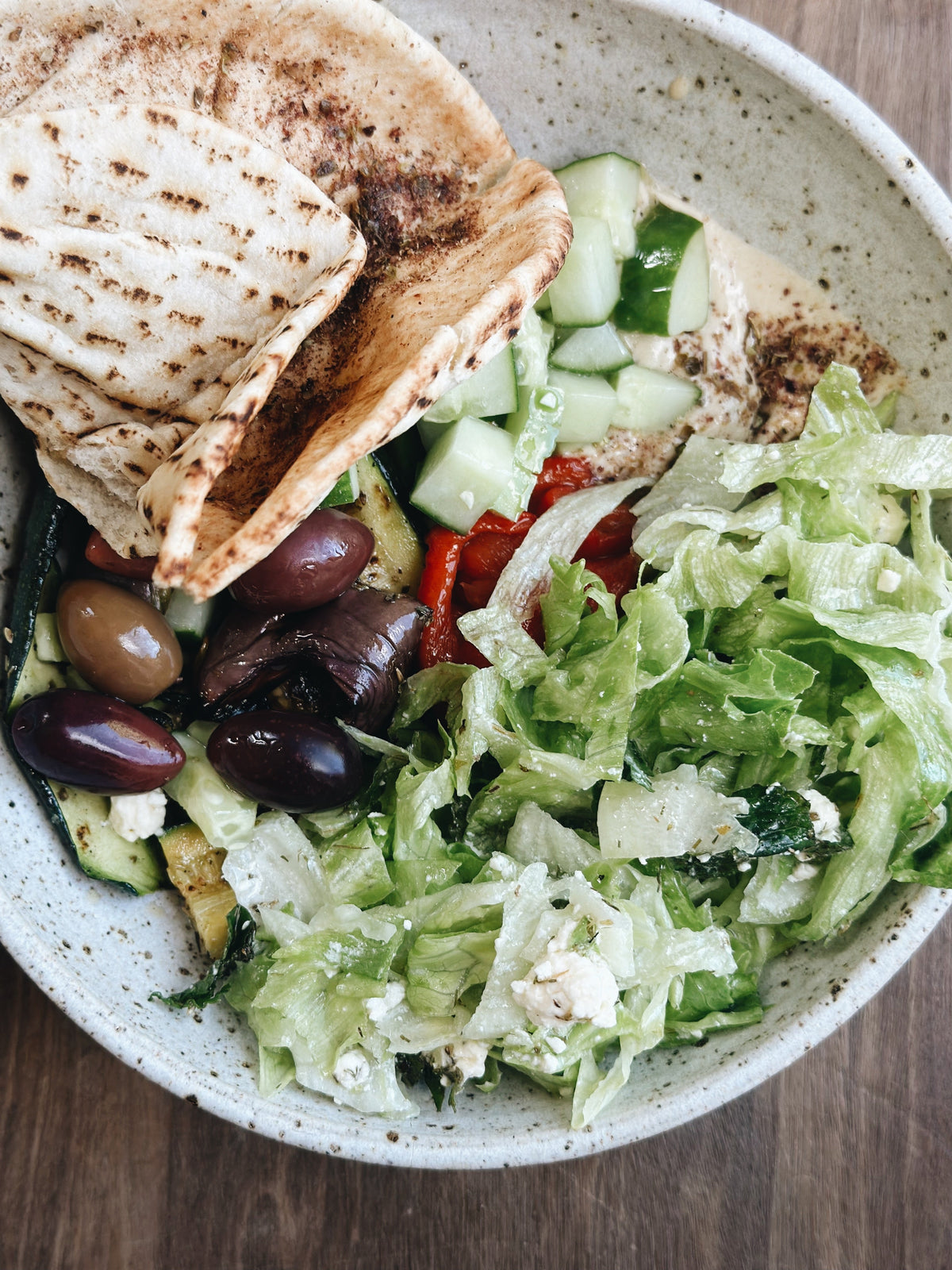
Rather than looking for one cortisol-lowering food, focus on the overall dietary pattern. A Mediterranean-style diet is rich in colourful vegetables, fruit, legumes, wholegrains, nuts, seeds, extra virgin olive oil, herbs and fish, with fewer highly refined foods.
In the 18-month DIRECT-PLUS clinical trial, both Mediterranean diet groups reduced fasting morning cortisol from baseline. The high-polyphenol green Mediterranean group also differed significantly from the healthy-guidelines control group after adjustment.
The changes were modest, and the participants were predominantly men with abdominal obesity, so the result should not be applied to everyone. It does, however, support a food-first pattern that also benefits metabolic health. [2]
A practical aim is to include several different plant foods each day and rotate colours across the week. Berries, leafy greens, cruciferous vegetables, citrus, herbs, spices, cacao, tea, olives, legumes and nuts provide polyphenols alongside fibre and micronutrients.
4. Include Omega-3 Fats
Omega-3 fats are components of cell membranes and participate in the regulation of inflammatory signalling.
Good food sources include sardines, salmon, trout and other oily fish. Plant sources such as chia seeds, flaxseed and walnuts provide alpha-linolenic acid, or ALA. Certain microalgae provide the longer-chain omega-3 fats EPA or DHA, depending on the species.
In one four-month randomised trial involving sedentary, overweight, middle-aged adults, 2.5 grams per day of supplemental omega-3 was associated with 19 per cent lower overall cortisol during an acute laboratory stressor than placebo. [3]
This is promising, but it was one controlled trial using a specific high-dose formulation. It does not mean every omega-3 product or dietary dose will produce the same result.
5. Meet Your Magnesium, Vitamin C and B-Vitamin Needs
Cortisol synthesis and the wider stress response depend on adequate nutrition.
Magnesium supports normal neuromuscular and nervous system function. Vitamin C is concentrated in the adrenal glands, while B-group vitamins contribute to energy metabolism and nervous system function. These nutrients are sometimes marketed as direct cortisol reducers, but that language is stronger than the evidence allows.
A functional food-first strategy is to correct insufficiency and improve overall nutrient density.
Helpful foods include:
-
Leafy green vegetables
-
Legumes
-
Wholegrains
-
Nuts and seeds
-
Avocado
-
Cacao
-
Citrus fruit and berries
-
Capsicum and broccoli
-
Eggs and other protein-rich wholefoods
Supplementation is most useful when it addresses an identified gap. It should not replace balanced meals, sufficient sleep or adequate recovery.
6. Support the Gut-Brain Axis Without Overpromising
The gut microbiome communicates with the brain through immune, neural and metabolic pathways. A diverse, fibre-rich diet can support microbial diversity and the production of metabolites such as short-chain fatty acids.
However, changing the microbiome does not automatically translate to a measurable reduction in cortisol. In a 2024 randomised trial, a fibre blend changed microbiome composition but did not improve the study’s primary metabolic or inflammatory resilience outcomes. [4]
The sensible approach is to build fibre intake gradually through vegetables, fruit, legumes, wholegrains, nuts and seeds. Fermented foods can also be included if they are well tolerated.
Think of gut support as one part of whole-body resilience, not a guaranteed cortisol treatment.
Lifestyle Strategies That Support Cortisol Regulation
Prioritise Consistent, Sufficient Sleep
Sleep and the HPA axis have a two-way relationship. Poor sleep can alter cortisol timing, while stress-related arousal can make sleep more difficult.
In a controlled study, even one night of partial sleep deprivation increased evening cortisol the following day and delayed the normal quiet period of cortisol secretion. [5]
Useful sleep-supporting habits include:
-
Keeping your waking time reasonably consistent
-
Getting outside into daylight early in the day
-
Dimming bright lights in the evening
-
Allowing enough time in bed
-
Keeping the bedroom cool, quiet and dark
-
Reducing late-night work and screen use
If sleep is being crowded out by work or late-night scrolling, a supplement is unlikely to solve the main driver.
Use Movement as a Regulator, Not Another Stressor
Exercise can raise cortisol temporarily, particularly when it is intense. This is a normal physiological response.
Over time, appropriate physical activity appears to improve stress regulation and sleep. A systematic review and meta-analysis found that physical activity programs reduced cortisol and modestly improved sleep, although the evidence base was small and not representative of every population. [6]
A balanced week may include walking, resistance training, mobility work and some higher-intensity exercise if recovery is good.
More is not always better. Persistent fatigue, declining performance, disrupted sleep or loss of menstrual regularity can be signs that training load, energy intake and recovery need to be reviewed together.
Review Your Caffeine Dose and Timing
Caffeine can acutely stimulate cortisol secretion, although regular users develop some tolerance and individual responses vary. [7]
If you feel alert but unsettled, rely on coffee to replace breakfast or struggle to wind down at night, consider:
-
Reducing your total caffeine intake
-
Having coffee after food rather than on an empty stomach
-
Choosing a smaller serving
-
Keeping caffeine earlier in the day
-
Replacing later coffees with herbal tea or a decaffeinated option
The aim is not necessarily to eliminate coffee. It is to make sure caffeine is not masking inadequate sleep or under-fuelling.
Practise a Repeatable Down-Regulation Technique
A stress-management strategy only works if it is realistic enough to repeat.
Mindfulness-based stress reduction has been studied more extensively than many wellness techniques. A 2026 meta-analysis of 39 studies involving 2,059 participants found a small-to-moderate reduction in cortisol compared with control conditions, although results varied across studies. [8]
Options include:
-
A brief mindfulness practice
-
Slow breathing
-
Yoga
-
Time in nature
-
A quiet walk without a phone
-
Gentle stretching before bed
Start with five to ten minutes and attach the practice to an existing routine. Consistency matters more than creating a perfect ritual.
Reduce the Total Stress Load
Functional medicine is most useful when it looks upstream.
If the stress response is being driven by sleep deprivation, caregiving pressure, shift work, pain, infection, excessive training, restrictive dieting or medication effects, adding several supplements may create complexity without addressing the cause.
Map the main inputs, choose the most modifiable one and make a change you can sustain.
What About Ashwagandha for Cortisol?
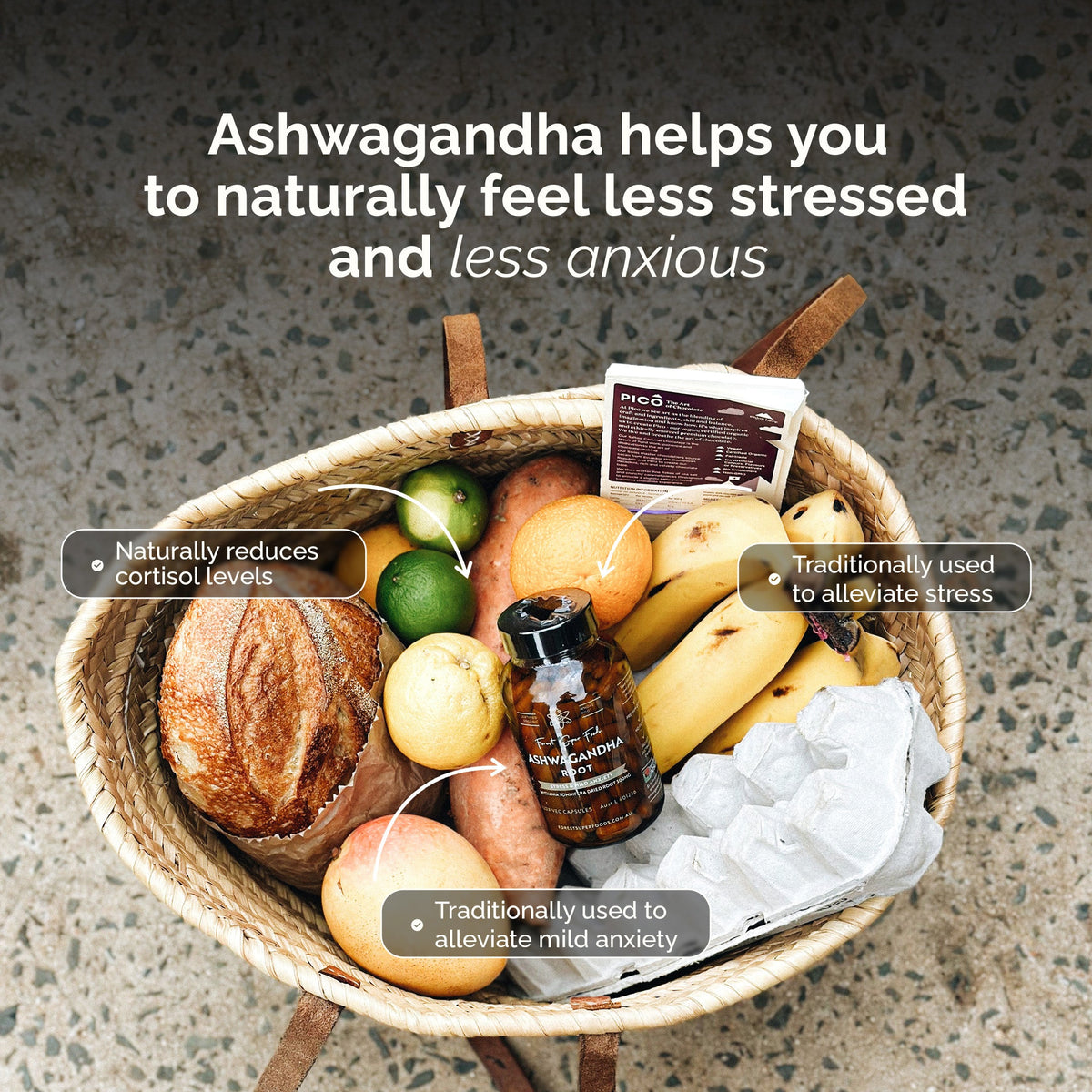
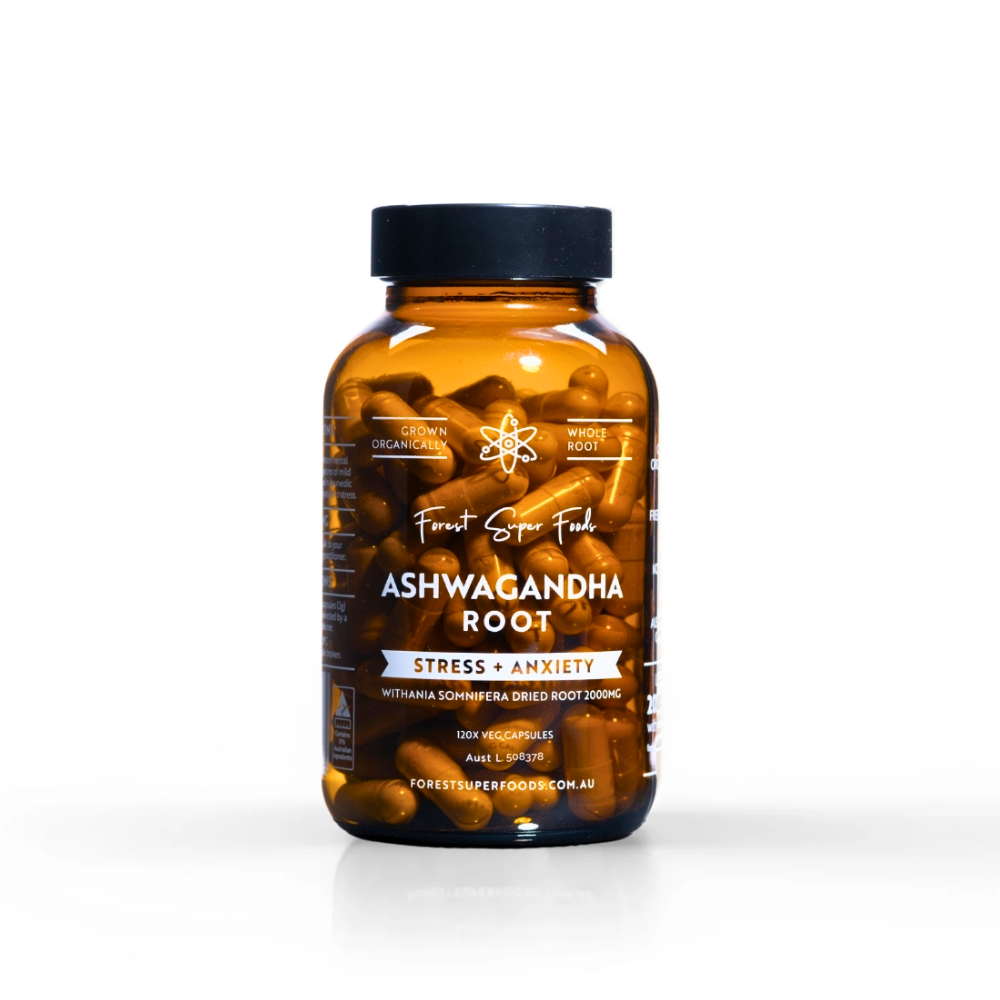
Ashwagandha, or Withania somnifera, is traditionally used in Ayurvedic medicine as an adaptogen to help the body adapt to stress.
A 2026 systematic review and meta-analysis of 23 randomised, placebo-controlled trials reported an overall reduction in cortisol. However, the studies used different extracts, doses and withanolide concentrations, and there was substantial variation across the evidence. [9]
This distinction matters. Results from a standardised extract cannot automatically be applied to whole-root powder, a different extract or every commercial product.
Ashwagandha is also not suitable for everyone. Potential interactions, thyroid effects, pregnancy, medical conditions and concurrent medicines should be considered. It is best viewed as a possible addition to the foundations, not a substitute for them.
A Simple Cortisol-Supportive Day
Morning: Wake at a consistent time, get outside light and eat a balanced breakfast if fasting leaves you shaky, wired or ravenous later.
Midday: Build lunch around protein, colourful vegetables, fibre-rich carbohydrates and healthy fats.
Afternoon: Choose water, herbal tea or a lower-caffeine option if late caffeine affects sleep. Take a brief walk or movement break.
Evening: Eat a satisfying wholefood meal, reduce bright light and allow time to transition out of work mode.
Weekly: Combine resistance exercise, aerobic movement and genuine recovery. Adjust training and food intake together.
When High Cortisol Needs Medical Investigation
Lifestyle stress and Cushing’s syndrome are not the same thing.
Cushing’s syndrome is a rare medical condition involving prolonged excessive cortisol exposure. Features can include:
-
Rapid central weight gain
-
A rounded face
-
Wide purple stretch marks
-
Easy bruising
-
Muscle weakness
-
High blood pressure
-
High blood glucose
-
Osteoporosis
-
Menstrual changes
Long-term corticosteroid medicines are a common cause of exogenous Cushing’s syndrome. [1,10]
Suspected Cushing’s syndrome requires medical assessment. Appropriate screening may involve late-night salivary cortisol, 24-hour urinary free cortisol or an overnight dexamethasone suppression test.
A random cortisol test or a list of non-specific symptoms is not enough to diagnose the condition. Corticosteroid medicines should never be stopped suddenly without medical direction. [10]
Frequently Asked Questions
Can Food Lower Cortisol Immediately?
No single food reliably lowers cortisol on demand. A balanced meal may help if hunger or under-fuelling is contributing to the stress response, but the strongest approach is a consistent dietary pattern supported by sleep, movement and recovery.
Does Sugar Raise Cortisol?
The relationship is not as simple as sugar equals high cortisol.
Diets dominated by highly refined foods can contribute to unstable energy intake and poorer metabolic health, but removing all carbohydrates is unnecessary. Focus on minimally processed, fibre-rich carbohydrates and combine them with protein and healthy fats.
Is Fasting Good for Cortisol?
It depends on the person and their circumstances.
Fasting can increase cortisol acutely, while longer-term responses vary. If fasting worsens sleep, cravings, fatigue, menstrual regularity or training recovery, it may not be the right strategy at that time.
How Long Does It Take to Reduce Cortisol Naturally?
There is no universal timeframe because cortisol changes throughout the day and responds to many different inputs.
Sleep and caffeine changes may affect how you feel within days. Improvements in diet quality, fitness and stress resilience generally require consistent habits over weeks to months.
The Bottom Line
The most evidence-based way to lower cortisol naturally is to support normal regulation rather than chase a permanently low number.
Eat enough, build balanced meals, favour a Mediterranean-style wholefood pattern, include omega-3 fats, meet your micronutrient needs, sleep consistently, move regularly and make recovery part of the plan.
Supplements may have a role, but their evidence is often formulation-specific. They work best when the foundations are already in place.
Start by identifying the biggest repeated stressor in your current routine. The most effective next step is often the one that reduces that load in a practical, sustainable way.
References
-
Healthdirect Australia. “Cushing’s syndrome.” Reviewed June 2024. https://www.healthdirect.gov.au/cushings-syndrome
-
Alufer L, et al. “Long-term green-Mediterranean diet may favour fasting morning cortisol stress hormone: the DIRECT-PLUS clinical trial.” Frontiers in Endocrinology. 2023;14:1243910. https://doi.org/10.3389/fendo.2023.1243910
-
Madison AA, et al. “Omega-3 supplementation and stress reactivity of cellular ageing biomarkers: an ancillary substudy of a randomised controlled trial in midlife adults.” Molecular Psychiatry. 2021;26:3034–3042. https://doi.org/10.1038/s41380-021-01077-2
-
Eveleens Maarse BC, et al. “Impact of fibre supplementation on microbiome and resilience in healthy participants: a randomised, placebo-controlled clinical trial.” Nutrition, Metabolism and Cardiovascular Diseases. 2024;34(6):1416–1426. https://pubmed.ncbi.nlm.nih.gov/38499450/
-
Leproult R, et al. “Sleep loss results in an elevation of cortisol levels the next evening.” Sleep. 1997;20(10):865–870. https://pubmed.ncbi.nlm.nih.gov/9415946/
-
De Nys L, et al. “The effects of physical activity on cortisol and sleep: a systematic review and meta-analysis.” Psychoneuroendocrinology. 2022;143:105843. https://pubmed.ncbi.nlm.nih.gov/35777076/
-
Lovallo WR, et al. “Caffeine stimulation of cortisol secretion across the waking hours in relation to caffeine intake levels.” Psychosomatic Medicine. 2005;67(5):734–739. https://pubmed.ncbi.nlm.nih.gov/16204431/
-
Johnson BT, et al. “Mindfulness-based stress reduction interventions and cortisol regulation: a systematic review and meta-analysis.” Health Psychology. 2026. Online ahead of print. https://pubmed.ncbi.nlm.nih.gov/42691284/
-
Fornalik M, et al. “Hormonal modulation with Withania somnifera: systematic review and meta-analysis of randomised controlled trials.” Planta Medica. 2026;92(8):790–805. https://pubmed.ncbi.nlm.nih.gov/41740946/
-
Endocrine Society. “Cushing’s syndrome and Cushing disease.” https://www.endocrine.org/patient-engagement/endocrine-library/cushings-syndrome-and-cushing-disease
Important information: This article provides general educational information and is not a substitute for personalised medical advice, diagnosis or treatment. Speak with a qualified health professional before starting a supplement, particularly if you are pregnant, breastfeeding, have a medical condition or take medicines.


Leave a comment
All comments are moderated before being published.
This site is protected by hCaptcha and the hCaptcha Privacy Policy and Terms of Service apply.